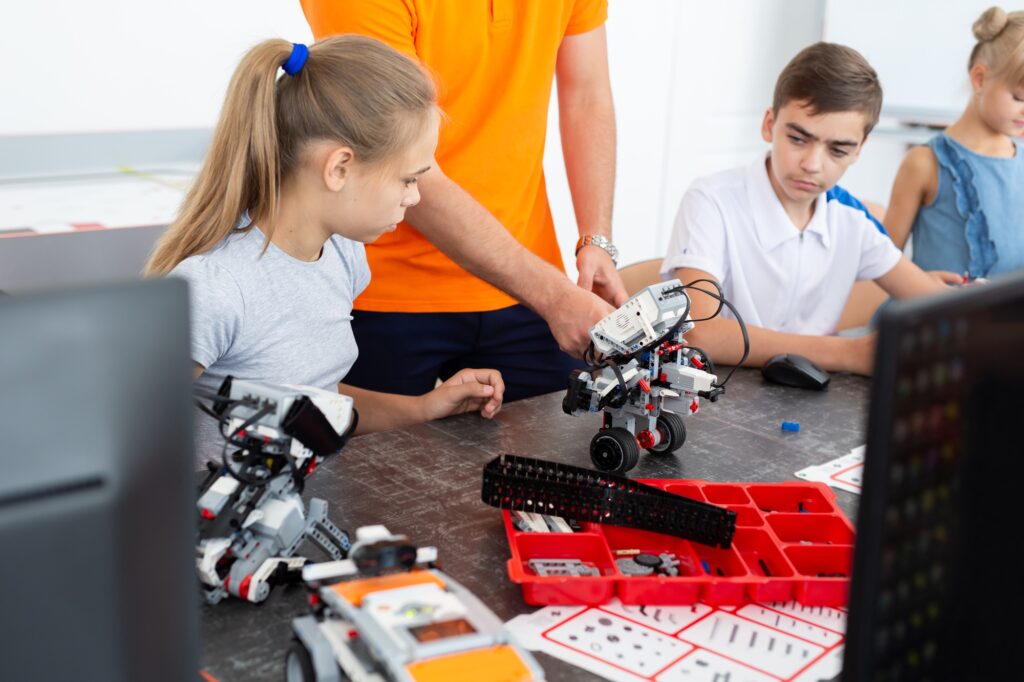
To enhance digital learning in modern classrooms, integrate interactive technology tools like whiteboards and student response systems to engage students. Use online collaborative platforms for real-time project work and personalized learning paths to meet individual needs. Gamification techniques make learning exciting, while digital literacy and responsible online behavior are essential. Virtual reality provides immersive experiences, and communication tools foster collaboration. There’s much more to explore in creating an engaging digital learning environment.
Highlights
- Incorporate interactive whiteboards to boost collaboration and concept visualization in classrooms.
- Use online collaborative platforms to facilitate real-time projects and idea sharing.
- Implement personalized learning paths to address individual student needs and goals.
- Apply gamification techniques to make learning engaging and motivate students.
- Enhance digital literacy and responsible online behavior through integrated technology lessons.
Integrating Interactive Technology Tools
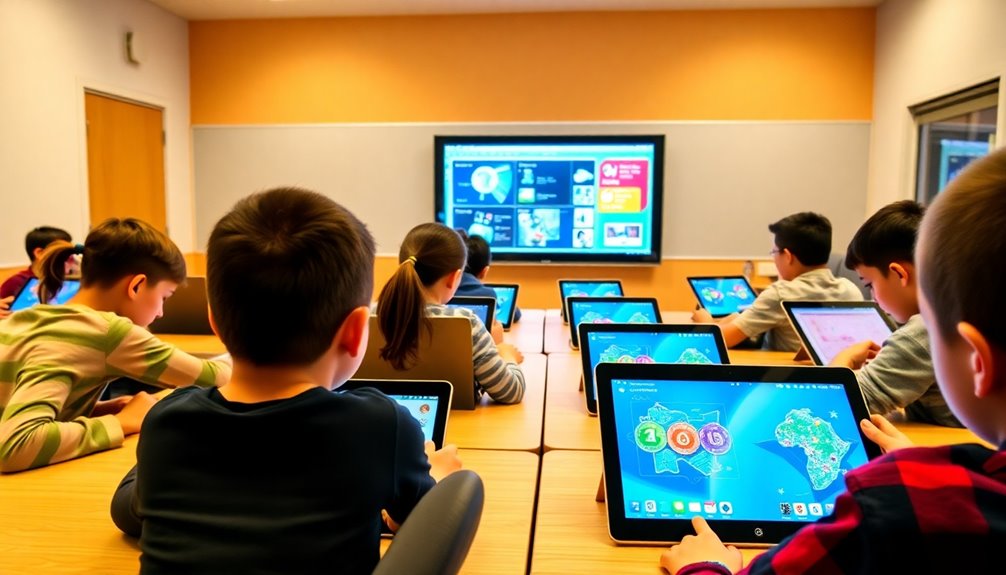
To truly enhance digital learning, integrating interactive technology tools is essential. Imagine transforming your classroom into a hub of innovation with interactive whiteboards and student response systems. These tools aren’t just gadgets; they’re gateways to a dynamic learning experience.
Interactive whiteboards invite students to collaborate, brainstorm, and visualize concepts like never before. They cater to diverse learning styles, making lessons more engaging and effective.
Meanwhile, student response systems revolutionize participation. No more passive listening; every student can actively contribute and receive instant feedback. This encourages deeper understanding and retention of material. Additionally, the use of learning analytics and performance tracking can further enhance how educators understand student engagement and progress.
Leveraging Online Collaborative Platforms
While the landscape of education continues to evolve, leveraging online collaborative platforms has become a cornerstone of digital learning. Imagine your students engaging in online brainstorming sessions, where creativity flows freely, unhindered by traditional classroom boundaries.
These platforms are game-changers, enabling students to work on collaborative projects in real-time, no matter where they are. You can foster an environment where ideas are shared seamlessly, and diverse perspectives enrich the learning experience.
Encourage students to explore tools like virtual whiteboards or shared documents that ignite innovative thinking and teamwork. By integrating these platforms, you’re not just enhancing learning; you’re preparing students for a future where collaboration transcends physical spaces. With features like streamlined workflows, these platforms help to organize tasks and boost productivity effectively.
Embrace this change, and watch your classroom transform into a hub of innovation.
Implementing Personalized Learning Paths
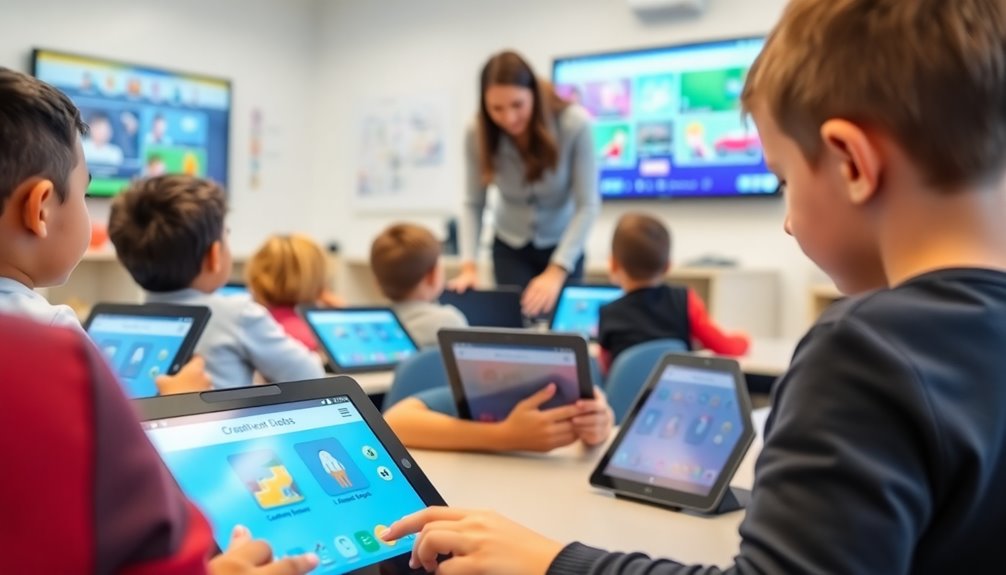
To truly enhance digital learning, focus on creating personalized learning paths that cater to each student’s unique goals. You can do this by adapting the curriculum to meet their needs and continuously tracking their progress. This approach not only keeps students engaged but also guarantees they achieve their learning objectives effectively. Additionally, implementing data-driven strategies can help educators optimize the learning experience for each student.
Tailoring Individual Learning Goals
Even though educational pathways have traditionally been linear, the advent of digital learning allows for the customization of individual learning goals. Imagine a classroom where each student initiates a unique journey, guided by insights from individual assessments and buoyed by customized feedback. You can harness technology to pinpoint strengths and growth areas, crafting a learning path that’s as distinctive as the learner.
| Traditional Path | Digital Customization |
|---|---|
| One-size-fits-all | Tailored experiences |
| Fixed pace | Flexible progression |
| Limited feedback | Customized feedback |
| Standard tests | Individual assessments |
Adapting Curriculum to Needs
Building on the idea of crafting unique learning journeys, the next step is adapting the curriculum to meet these personalized paths. Embrace curriculum flexibility to guarantee each student can explore their interests while mastering essential skills.
By implementing adaptive learning technologies, you create an environment where students choose pathways that resonate with them, enhancing student engagement.
Think of the curriculum as a dynamic framework. Allow students to navigate through it with options tailored to their learning styles and pace.
When students feel their educational experience is customized, they’re more likely to stay motivated and invested. By fostering a sense of autonomy and relevance, you’re not just teaching a subject; you’re inspiring innovators.
Encourage curiosity, and watch how personalized learning transforms classrooms.
Tracking Student Progress
How effectively are you tracking student progress in your personalized learning paths? To innovate, leverage student assessment tools that provide real-time data visualization. This allows you to see where each student stands in their journey.
Progress tracking becomes seamless when performance analytics offer detailed insights, helping you identify learning milestones and monitor achievements.
Don’t forget the power of feedback mechanisms; they’re crucial for adapting learning strategies and ensuring students stay engaged. Use engagement metrics to understand which parts of the curriculum captivate your learners most.
Utilizing Gamification Techniques
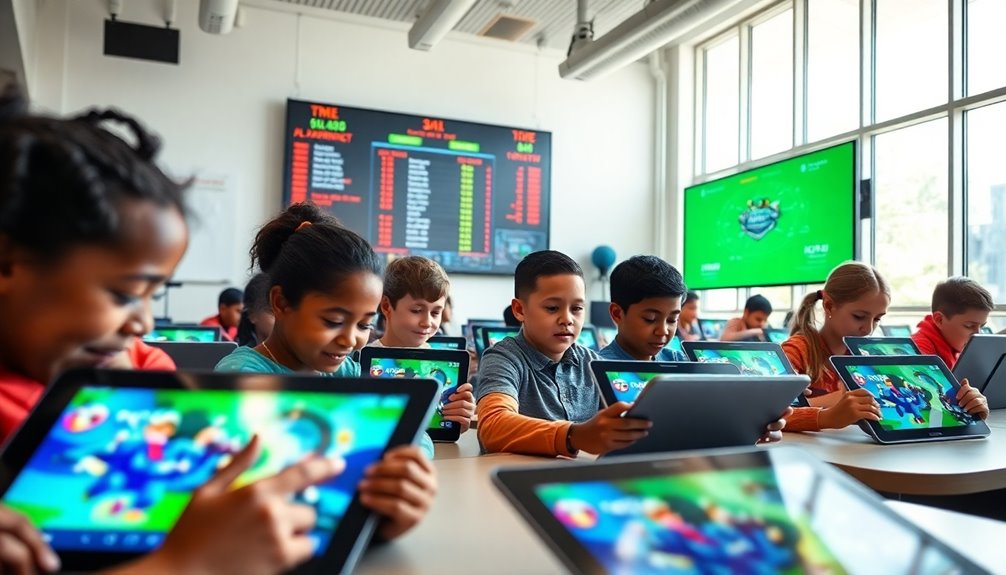
When it comes to enhancing digital learning, gamification techniques can transform a mundane experience into an engaging and interactive journey. By integrating game-based learning, you can captivate students’ attention, motivating them to explore subjects with enthusiasm.
Imagine turning assignments into quests or lessons into exciting adventures! You’ll find that students are more keen to participate when learning becomes a game.
Turning assignments into quests makes students eager participants in the game of learning.
Competitive challenges can be particularly effective, as they encourage students to push their limits and aim for excellence. By incorporating leaderboards, badges, and rewards, you foster a healthy sense of competition and collaboration among peers.
This dynamic approach not only makes learning fun but also enhances critical thinking and problem-solving skills. Embrace gamification, and watch your classroom transform into a vibrant hub of creativity and innovation. Additionally, platforms like Skillshare provide hands-on classes that can further inspire and engage students in creative subjects.
Encouraging Digital Literacy Skills
You can boost digital literacy by integrating technology right into your lessons, making them more interactive and engaging.
It’s crucial to teach students not just how to use tech tools, but also to navigate the digital world safely.
Encourage them to practice safe online habits, ensuring they’re prepared for both academic and personal digital experiences. Additionally, fostering patient engagement strategies can enhance their understanding of how technology impacts various fields, including healthcare.
Integrating Technology in Lessons
While integrating technology into lessons, it’s essential to focus on developing digital literacy skills that are crucial for today’s learners.
Embrace creative approaches like digital storytelling and immerse students in engaging narratives that enhance their comprehension and communication skills.
Virtual simulations offer an innovative way to explore complex concepts, allowing learners to experiment and engage in real-world scenarios without leaving the classroom.
To effectively integrate technology, consider these steps:
- Leverage interactive platforms: Tools like digital storytelling foster creativity and critical thinking.
- Utilize virtual simulations: They provide hands-on experience, making abstract ideas tangible and relatable.
- Promote collaboration: Encourage teamwork through tech-based projects, enhancing problem-solving abilities.
Harnessing these strategies will empower students to navigate the digital landscape with confidence and adaptability.
Promoting Safe Online Practices
As digital learning becomes increasingly integral to education, ensuring students understand safe online practices is paramount. You need to equip them with the tools to navigate the digital world securely.
Start by integrating cybersecurity education into your curriculum. Teach students about the importance of strong passwords, recognizing phishing attempts, and the need for regular software updates. These skills aren’t just technical; they’re essential for fostering a proactive approach to online safety.
Encourage online privacy awareness by discussing the impact of sharing personal information and the importance of managing digital footprints. Engage students with interactive activities that simulate real-world scenarios, making learning both relevant and innovative.
Facilitating Virtual Reality Experiences
Integrating virtual reality into digital learning can revolutionize the educational landscape by providing immersive and interactive experiences.
Imagine stepping into virtual environments where students explore ancient civilizations or conduct complex science experiments without leaving the classroom. This innovation not only captures attention but also deepens understanding.
To effectively facilitate VR experiences, consider these points:
- Curriculum Alignment: Confirm that the virtual reality content aligns with your educational goals and enhances the learning objectives.
- Accessibility: Make VR technology accessible to all students, ensuring inclusivity and equal opportunities to explore these virtual worlds.
- Training and Support: Provide teachers with the necessary training to confidently integrate VR tools, maximizing the potential of these immersive experiences. Moreover, implementing advanced automation tools can significantly streamline the integration process for educators and enhance overall educational efficiency.
Promoting Safe and Responsible Online Behavior
Understanding the importance of promoting safe and responsible online behavior is essential in today’s digital learning environment.
As you navigate this ever-evolving landscape, embracing digital citizenship education is a game-changer. It equips students with the skills they need to thrive while respecting others’ digital spaces.
Encourage your learners to engage in online etiquette workshops, where they’ll gain insights into maintaining a positive digital footprint and understanding the consequences of their actions. Additionally, consider integrating tools from Brevo’s digital marketing platform to enhance communication and collaboration among students.
Some Questions Answered
How Can Teachers Manage Screen Time Effectively in Digital Learning Environments?
You’ve got to manage screen time by setting clear limits and integrating offline activities. Encourage digital balance through varied, engaging tasks that spark curiosity and innovation, ensuring students aren’t overwhelmed and maintain a healthy relationship with technology.
What Strategies Exist to Engage Students With Limited Internet Access?
Imagine a rural school using offline resources and community partnerships to engage students. You’d collaborate with local libraries to provide offline digital content and organize community workshops, ensuring everyone participates despite limited internet access. Embrace innovation!
How Can Digital Learning Be Tailored to Support Special Needs Students?
You can tailor digital learning for special needs students by integrating assistive technology and focusing on personalized learning. Embrace innovation to create adaptive platforms that address unique challenges, ensuring every student’s potential is maximized in an inclusive environment.
What Are the Best Practices for Integrating Digital Content Into Traditional Curricula?
You should embrace blended learning by aligning digital content with traditional curricula. It’s essential to guarantee curriculum alignment for smooth integration, enabling students to enjoy a seamless, innovative experience that fosters engagement and enhances critical thinking skills.
How Can Educators Assess the Effectiveness of Digital Learning Tools?
Imagine using data analytics to track improvements in student performance. You’d gather student feedback regularly to adjust tools effectively. This innovative approach guarantees digital learning tools are meeting educational goals and enhancing students’ learning experiences.
Summing Everything Up
In today’s digital classrooms, enhancing learning with technology is essential. Did you know that 93% of teachers believe interactive tech tools boost student engagement? By integrating these tools, you’re not just keeping students interested; you’re also tailoring learning experiences to fit individual needs. As you encourage digital literacy and promote safe online behavior, you’re preparing students for a tech-driven world. Embrace these innovations, and you’ll transform your classroom into a dynamic learning environment.